
Features
-
Canal house
-
Year of construction 1649
-
Living area approximately 409 m²
-
Plot area approximately 230 m²
-
Own land
-
House width 6.4 meters
-
Depth of the house approximately 36 meters
-
Front house and back house with separate entrance
-
Suitable for multi-generational living / practice / studio / home office
-
Protected townscape
-
City garden and roof terrace
-
2 high-efficiency central heating boilers
-
Solar panels (6 pieces)
-
The house is largely fitted with double glazing.
-
Roof insulation largely present
-
Renovation largely carried out in 2016
-
Parking permit available (no waiting time, max 3 permits)
-
Permit available to rent out the back house on AirBnB etc. for 30 days per year, or to students for 7 months per year
-
Age and asbestos clause applicable
-
Transfer by mutual agreement
Front - ground floor
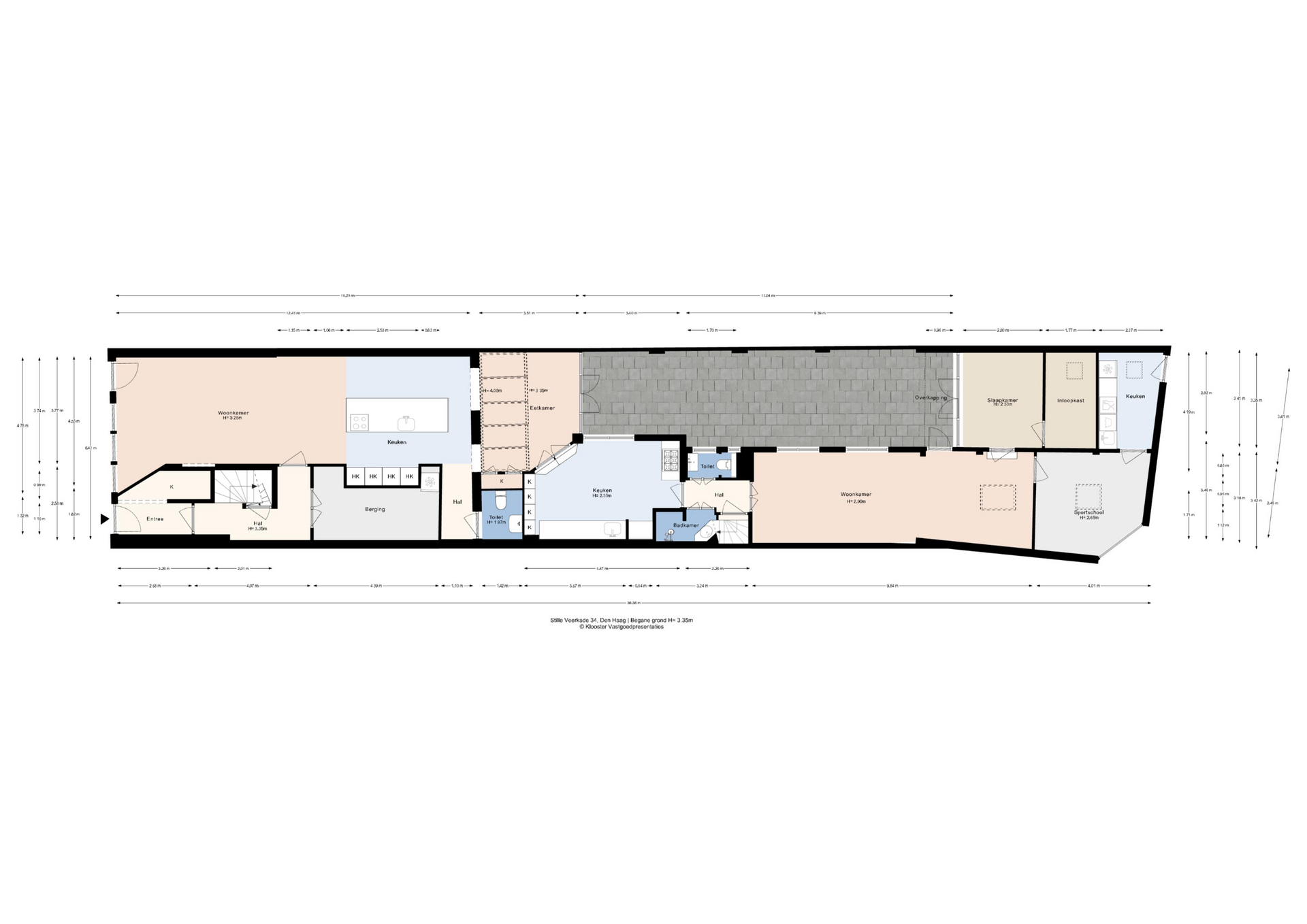
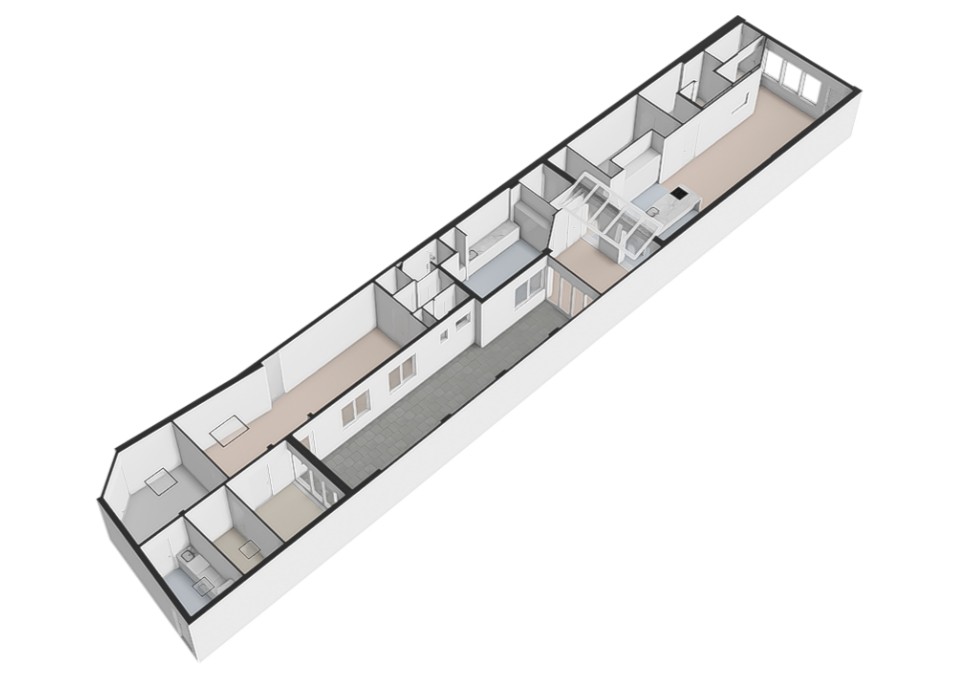
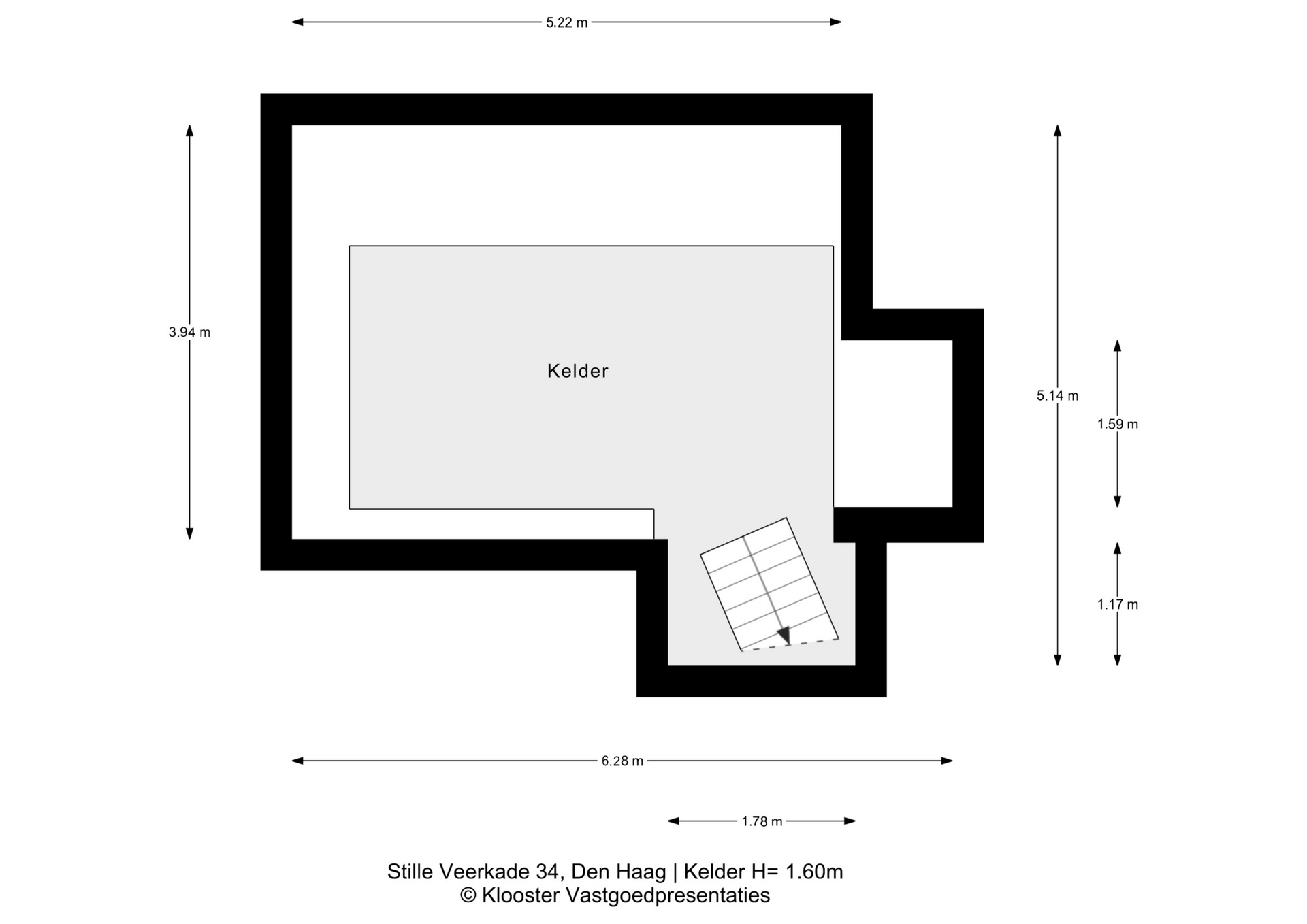
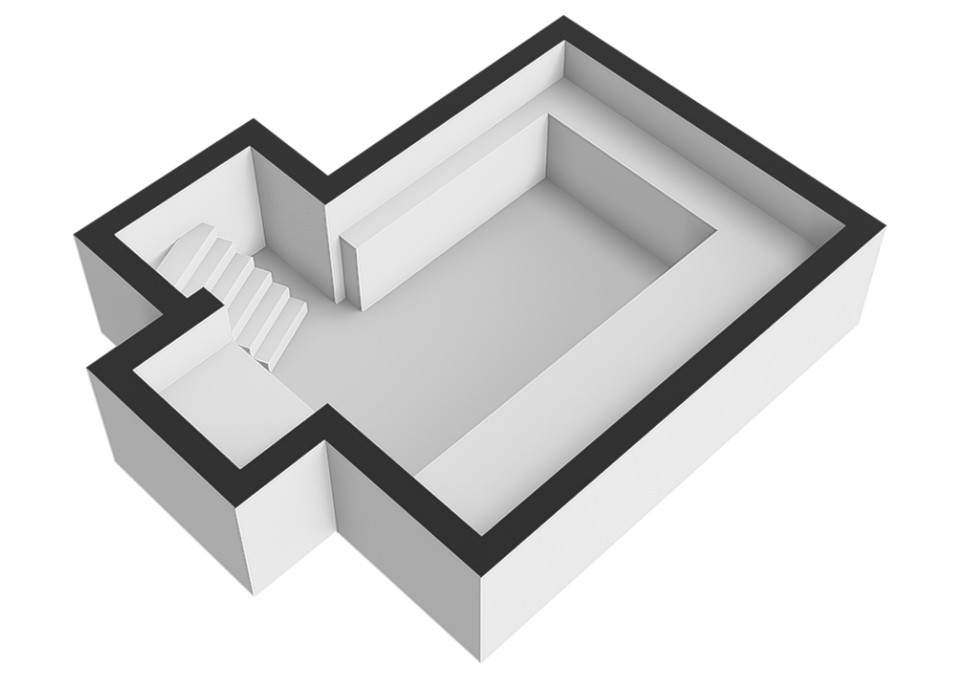
Entrance with hall, cloakroom, and staircase. Access to a dry cellar (approx. 1.60m ceiling height) and storage. Spacious eat-in kitchen with kitchen island (combination microwave, dishwasher, fridge, freezer, 6-burner induction hob, wine cooler). High ceilings (approx. 3.45 m). At the rear is a conservatory currently used as a dining room, providing access to the city garden and the rear house. The conservatory has a working wood burner. Separate historic toilet.
Front – first floor
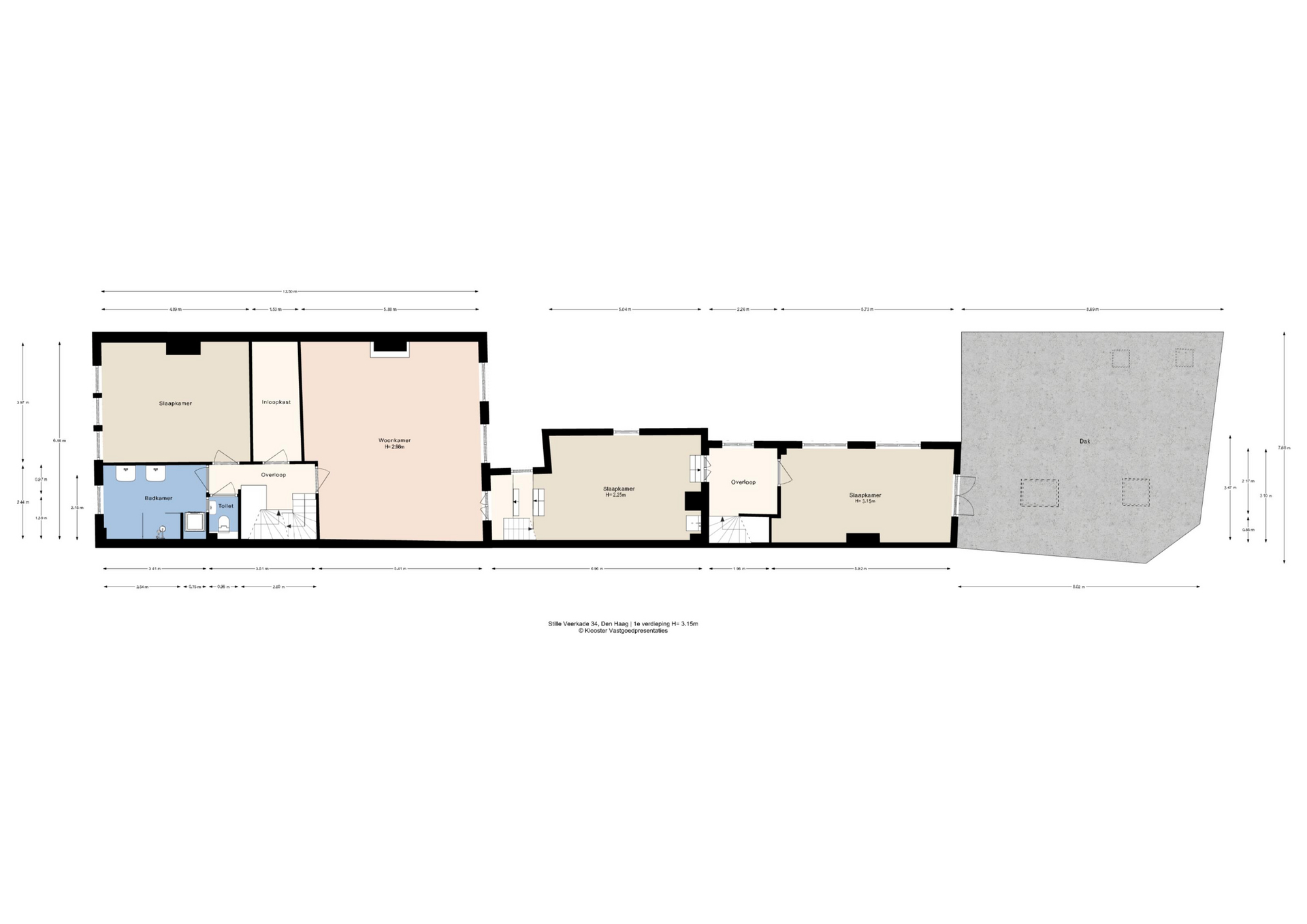
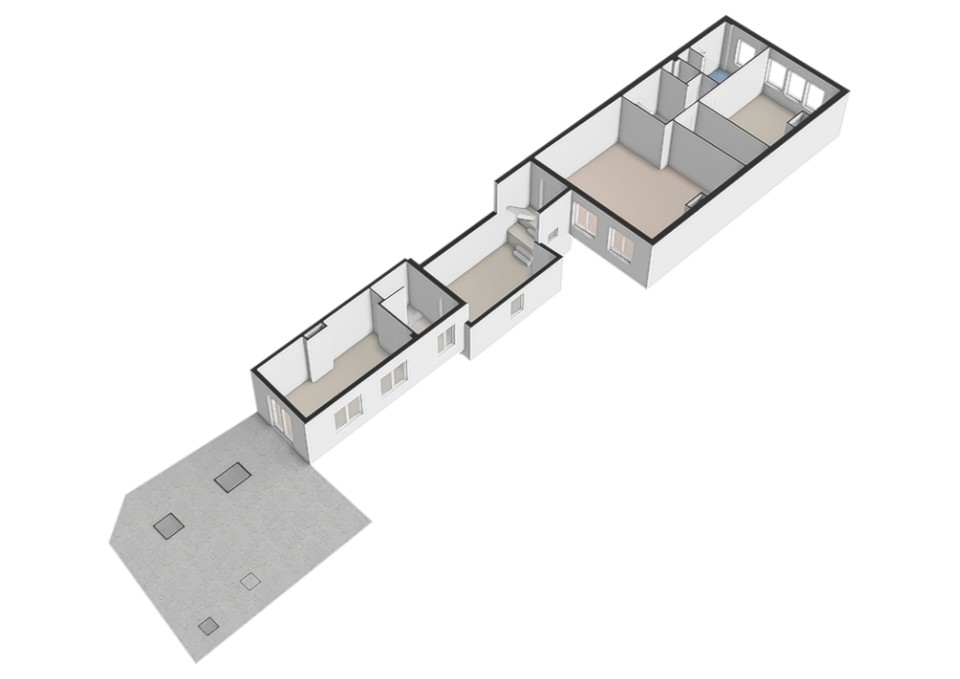
Landing with separate toilet, bathroom with shower and connection for washing machine. Bedroom at the front, linen room, and a spacious second living room at the rear with access to the outbuilding. This living room can also serve as a bedroom.
Front – second floor
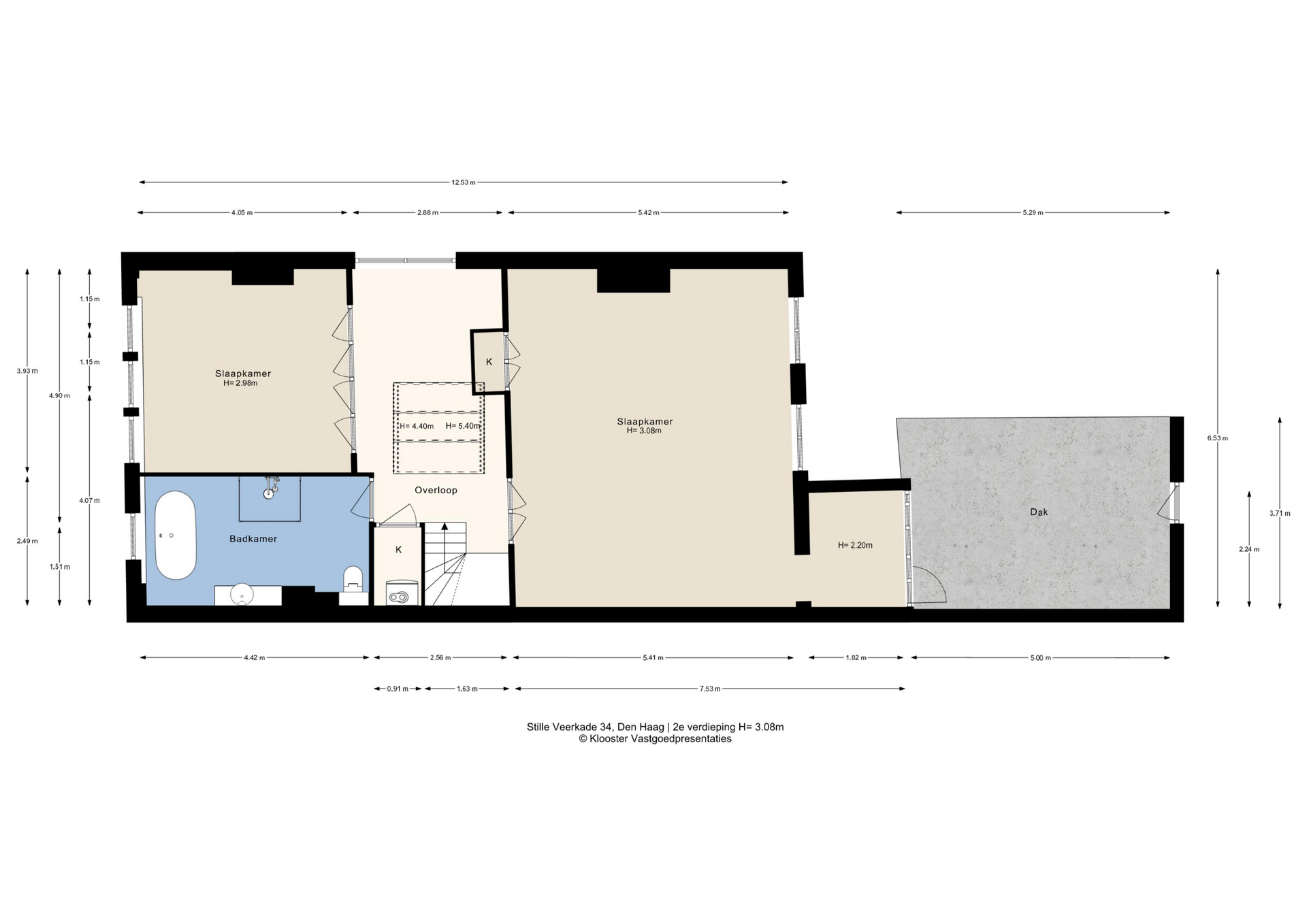
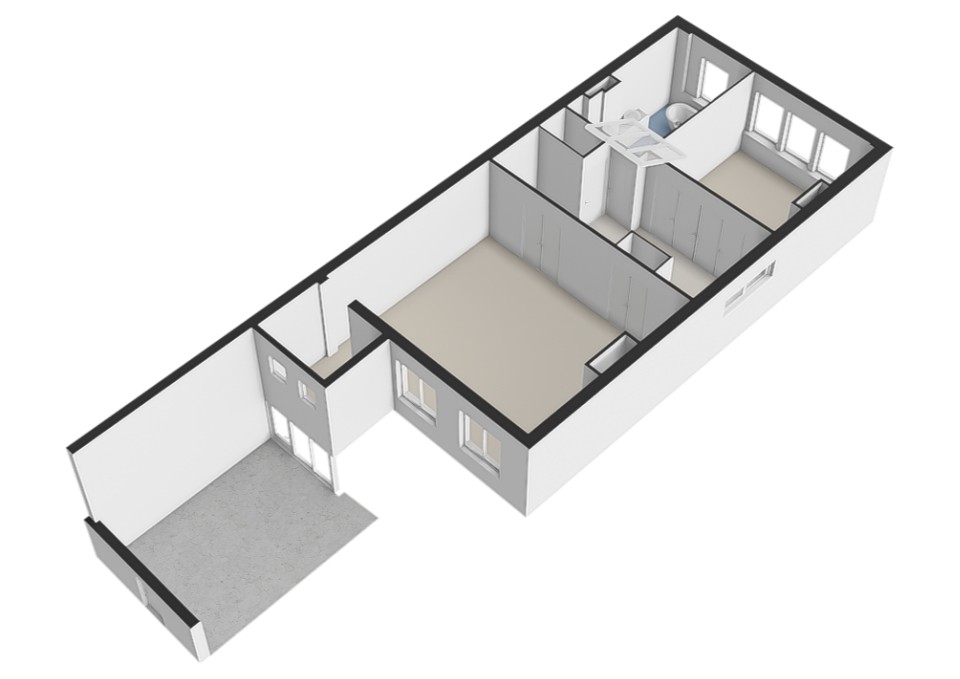
Landing with separate central heating room. Bathroom with shower and bathtub. Bedroom at the front and a very spacious master bedroom at the rear with a small walk-in closet and a working fireplace. From the hall, access to a custom-designed stair cupboard (designed by a former MVRDV partner) which also serves as a desk and staircase to the roof terrace.
Front – third floor
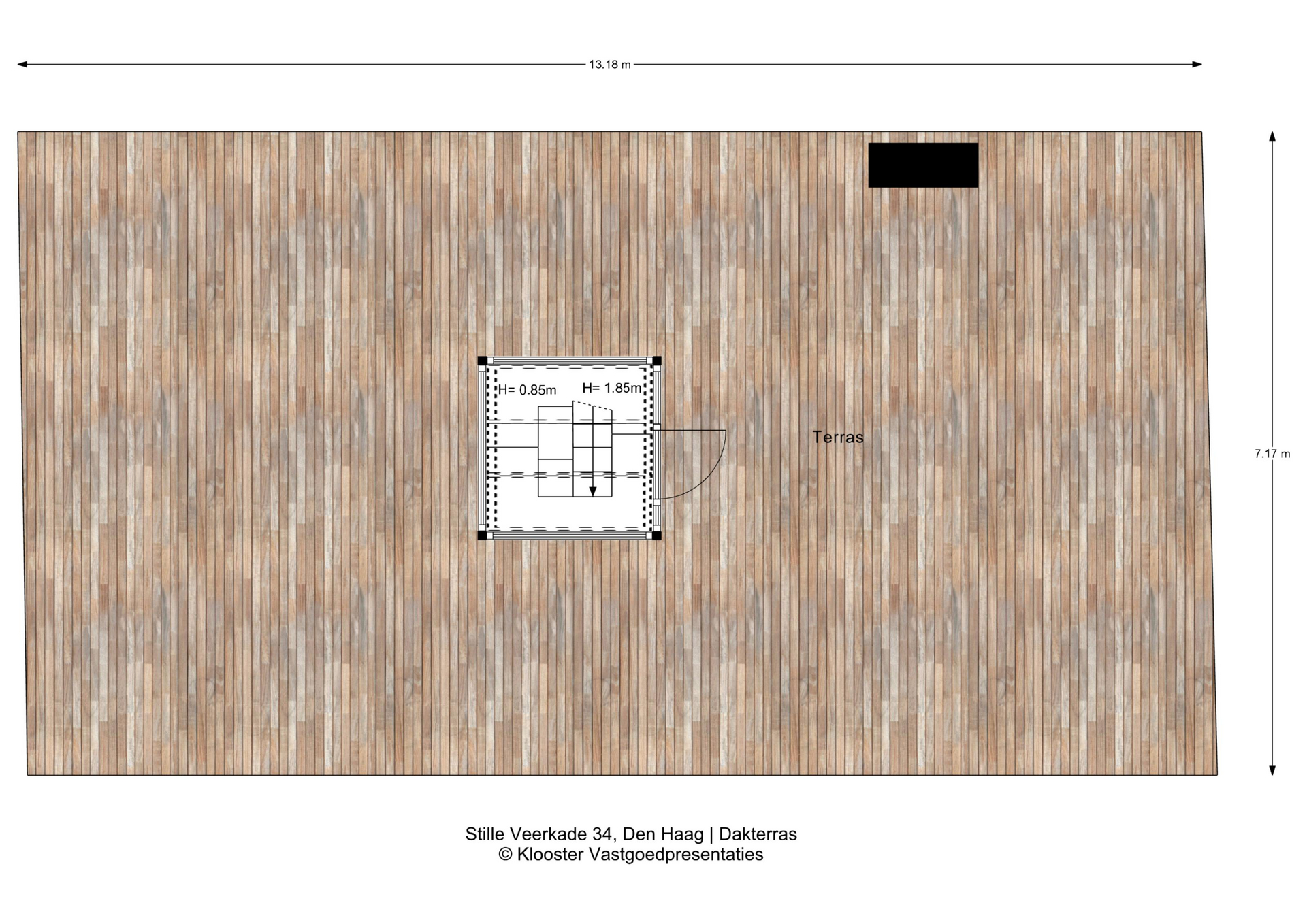
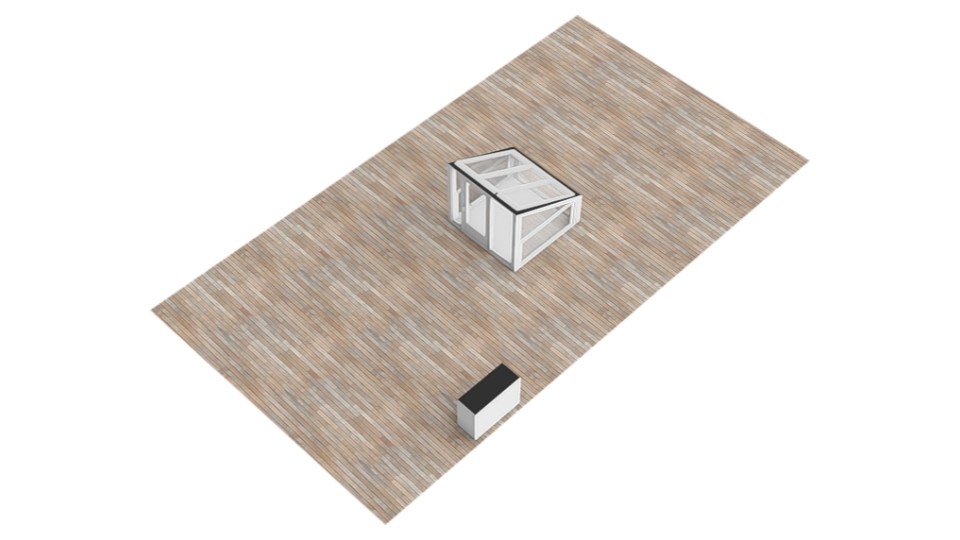
Access to the roof terrace with a green roof, solar panels, and a panoramic view of The Hague city center. Sun all day long.
Back – ground floor
Private entrance via Spinozasteeg. Laundry room/utility room with washbasin and washing machine connection. Two bedrooms, one with a walk-in closet. Bathroom with shower and separate toilet. Long living room facing the garden and a separate, spacious eat-in kitchen with display cabinets and a connection to the front house. Staircase to the first floor of the rear house. Ceiling heights vary from approximately 2.30 to 2.85 m.
Back – first floor
Accessible via a staircase: a very bright bedroom with its own roof terrace and green roof facing Spinozasteeg, and a second atmospheric bedroom. This floor can be incorporated into either the rear or the front house, offering great flexibility.
Outdoor space
The sheltered city garden (approximately 4 x 14 meters) faces southeast and is enclosed by the house on three sides. The roof terrace above the front house offers a beautiful view over The Hague's rooftops and enjoys excellent sun exposure in the afternoon and evening. The rear roof terrace receives morning and afternoon sun. There is also the possibility of creating a roof terrace on the first floor between the front and rear houses; the access has already been established.
Layout
Floor plans
Location
The property is situated on the Stille Veerkade, a former canal for which plans exist to restore the water. At the rear lies the Dunne Bierkade, one of The Hague's most atmospheric canals with bars and restaurants.
The Old Centre is a lively and characterful neighbourhood with shops, restaurants, and culture within walking distance. Chinatown is just around the corner, and De Bijenkorf is a five-minute walk away. The Hague Central and Hollands Spoor station are both easily accessible (approximately 10 and 8-minute walks). By car, you can reach the Utrechtsebaan within a few traffic lights. Parking garages and bicycle storage facilities are located in the immediate vicinity. A parking permit is available for residents (currently without a waiting list).
The Neighborhood
The neighborhood around Stille Veerkade has undergone many changes over the centuries. After World War II, the street temporarily became one of the city’s busiest thoroughfares; at the time, two city buses passed through it every minute. With the subsequent traffic plan for the city center, this came to an end; no bus lines run through the street anymore, and car traffic has since decreased significantly.
In the 1970s, there were plans to demolish a large part of the neighborhood to make way for an urban highway and large-scale housing development. Residents opposed this, and as a result, the partially constructed viaduct—which had already reached as far as the Spui—was eventually torn down.
Today, the neighborhood is a mix of residential, hospitality, small businesses, and culture. Behind the house lies the Dunne Bierkade, one of The Hague’s more characteristic canals and a hospitality hotspot where the annual Jazz aan de Gracht festival is held.
Not everything in the neighborhood is equally idyllic: the nearby Doubletstraat is one of The Hague’s two red-light districts. There are plans to close this street, but whether and when that will actually happen depends on slow political decision-making. Although there is now renewed momentum.
There are many initiatives specifically aimed at fostering positive development in the neighborhood. For example, there are plans to reopen the historic canals. The city council has previously stated that future developments must not preclude this, although concrete implementation plans have not yet been finalized. In other parts of The Hague, such as the Noordwal and Piet Heinplein, reopened canals have successfully contributed to the quality of the surrounding area.
In addition, there are plans to further develop the Spinoza House into a full-fledged museum, which could give the neighborhood additional cultural significance. Incidentally, Spinoza also lived for a time in the neighboring house at Stille Veerkade 32; groups of tourists regularly stop to look at the building, which, like number 34, has undergone a transformation from a store to a residence.
In recent years, Stille Veerkade has evolved into a lively and diverse street. The street is home to many young professionals at the start of their careers, alongside families and older residents who have lived in the larger historic canal-side homes for some time. It is a neighborhood with many highly educated residents and a strong sense of community.
As a result, the neighborhood has a distinct character and feels anything but anonymous. There is an active neighborhood organization that regularly takes initiatives to improve the street and connect residents.
When Ukrainian refugees were accepted by The Hague, residents in the street organized joint efforts to provide aid and support. They also worked together to bring more greenery to the street. For this collective effort, the street received the Gouden Klinker, a municipal award for neighborhood initiatives.
In Spinozasteeg itself, there is a bicycle parking facility, as well as individual lockers for rent for bicycles and motorcycles. In the same block, the Fundatie Voorhoeve manages several apartments for temporary rental to expats working in The Hague while they search for a permanent home. The residents are usually in the neighborhood temporarily and generally do not cause any nuisance; on the contrary, it can lead to pleasant encounters.
In recent years, Stille Veerkade has developed into a lively and diverse street. The street is home to many young professionals at the start of their careers, alongside families and older residents.